Tiger Stripes Font Review for Bold Branding
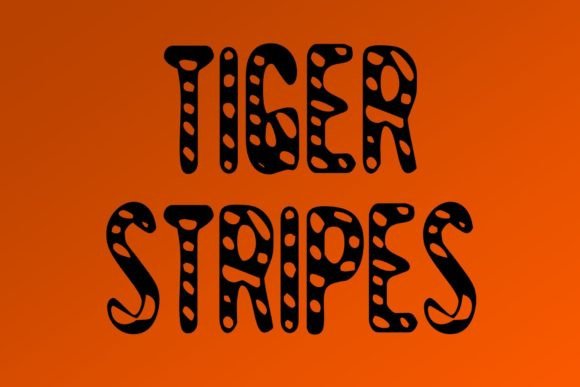
Opening a blank brand board one morning, I was looking for something that could inject personality into a new boutique identity. That’s when I stumbled upon Tiger Stripes, a fun and unique animal patterned display font. As a designer, I always appreciate when a font doesn’t just look good but feels right—like it belongs in the project from the start. Tiger Stripes had that kind of vibe.
Tiger Stripes for Logo Design and Brand Identity
Tiger Stripes is a display font that brings energy and character to any logo concept. When I tested it on a logo draft for a new artisanal bakery, the bold, patterned strokes instantly made the brand feel playful yet professional. The font has a distinct rhythm and movement that mimics the natural flow of tiger stripes, which adds a sense of motion and life to static designs.
It works especially well as a logo font or headline font, where it can stand out without overshadowing the message. Pairing it with a clean sans serif font for supporting text created a balanced visual hierarchy. However, I noticed that using Tiger Stripes in long body text wasn’t ideal due to its decorative nature, which makes it better suited for short phrases or accents.
Tiger Stripes in Packaging Design and Product Labels
Next, I tried placing Tiger Stripes on a packaging mockup for a skincare product line. The result was stunning. The animal patterned design gave the packaging an organic, earthy feel that matched the brand’s eco-conscious values. It felt like a natural fit for a handmade shop branding project or a local café visual refresh.
On product labels, Tiger Stripes added a touch of whimsy without being too overwhelming. It worked particularly well on small-scale items like handcrafted candles or custom jewelry boxes. Just be mindful of spacing and contrast when applying it to dark backgrounds, as readability can sometimes become an issue if not handled carefully.
Tiger Stripes for Social Media Graphics and Web Design
When I used Tiger Stripes in social media layouts, it immediately caught attention. Whether it was a hero section on a website header or an Instagram post promoting a new product launch, the font brought a fresh and modern typography approach. Its unique animal patterned style helped the content stand out in a sea of generic posts.
I found that Tiger Stripes performed best in digital environments where it could be scaled appropriately. On web design projects, I paired it with a modern sans serif font for navigation menus and body copy, ensuring that the brand remained both creative and functional. It’s important to test how the font renders across different screen sizes before finalizing it for a client project.
Tiger Stripes in Business Cards and Print Materials
For a business card design, Tiger Stripes added a memorable detail that made the card pop. Used sparingly, it elevated the overall design while still maintaining professionalism. I also tested it on printed materials like flyers and posters, and it looked great when applied to high-quality paper stock.
However, I recommend avoiding Tiger Stripes in formal corporate use or situations where minimalism is key. It’s more appropriate for creative studios, handmade shops, or brands that want to convey a sense of adventure and uniqueness.
Testing Tiger Stripes Before Final Use
Before committing to Tiger Stripes for a client project, I always suggest testing it in various contexts. Try it on a brand board, packaging mockup, and social media layout to see how it interacts with other design elements. Check its legibility at different sizes and ensure it aligns with the brand’s tone and personality.
If you’re planning to use Tiger Stripes in commercial work, don’t forget to review the font licensing agreement. Confirm whether it supports multilingual characters and what file formats are included, such as OTF or TTF. A reliable font pairing strategy will also help maintain balance and clarity in your design system.